

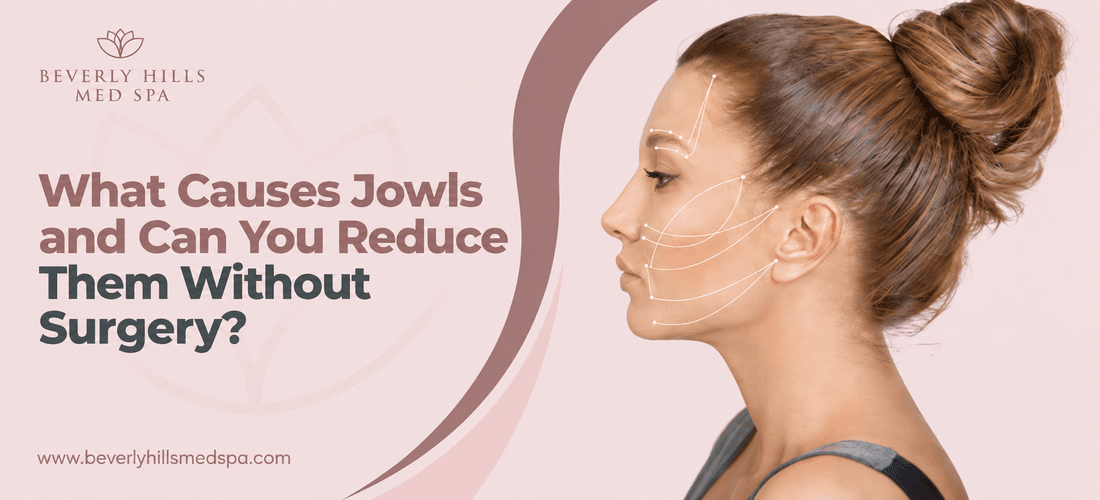
Quick Answer
Jowls develop when the skin and tissues along the lower face lose firmness and support, making the jawline look softer or less defined. Aging, collagen loss, changes in facial volume, genetics, sun exposure, and weight changes can all contribute. Mild to moderate jowls may be improved without surgery using treatments that target loose skin, lost support, or fullness around the lower face.
Introduction
Have you noticed your jawline looking softer, less defined, or different from how it appeared a few years ago? You may also see loose skin beginning to form around the sides of your chin. These changes are commonly known as jowls, and they often become more noticeable over time.
So, what causes jowls, and can you reduce them without having surgery? The answer depends on what is happening beneath and around the skin. Aging is a common factor, but genetics, facial structure, sun exposure, and weight changes can also influence when jowls appear and how noticeable they become.
For people with mild to moderate jowls, non-surgical treatment may be worth considering. However, choosing the right option starts with understanding the reason behind the changes. This guide explains why jowls develop, which non-surgical treatments may help, how long treatment takes, and what you can realistically expect from your results.
What Are Jowls?
Jowls are areas of loose skin and soft tissue that develop along the lower jawline, usually near the sides of the chin. They become more noticeable as the skin, facial fat, and supporting tissues change, reducing the definition of the jawline.
Jowls can develop from a combination of skin laxity, shifts in facial fat, reduced structural support, and changes in the jaw and surrounding tissues. Jowls are different from fullness under the chin. Jowls affect the lower sides of the face, while under-chin fullness develops beneath the chin and may be related to excess fat or other tissue.
What Causes Jowls?
Jowls usually develop because of a combination of changes in the skin, facial tissues, and natural facial structure. While aging is a major factor, genetics, sun exposure, and changes in body weight can also affect when and how noticeably jowls appear.
1. Loss of Collagen, Elastin, and Skin Firmness
Collagen provides structure to the skin, while elastin helps it maintain flexibility. As the production of these proteins decreases with age, the skin can become thinner and less firm. This increase in skin laxity can contribute to sagging along the lower face and jawline.
2. Changes in Facial Fat and Volume
Facial fat can lose volume, shift position, or move downward over time. These changes may reduce support in some areas while creating more fullness in others, making jowls and loss of jawline definition more noticeable.
3. Changes in Facial Retaining Structures
Ligaments and other supporting structures help hold facial tissues in place. With age, changes in these structures can reduce support and allow soft tissues to descend toward the lower face.
4. Loss of Underlying Support and Jawbone Changes
The deeper tissues and facial bones provide support for the skin and soft tissue above them. Age-related changes in the jawbone and surrounding structures may reduce this support, contributing to a softer and less defined jawline.
5. Genetics
Genetics can influence skin thickness, elasticity, facial structure, fat distribution, and how the face ages. This is why some people may develop noticeable jowls earlier than others.
6. Sun Exposure
Repeated exposure to UV rays can damage collagen and elastin in the skin. Over time, this may contribute to reduced firmness, increased skin laxity, and more visible sagging.
7. Weight Changes
Significant or repeated changes in body weight can affect facial volume and skin firmness. After weight loss, stretched skin may not fully tighten, which can make sagging along the jawline more visible.
8. Muscle Dynamics
Facial muscles are constantly involved in speaking, chewing, and facial expressions. Changes in muscle tone and how these muscles interact with surrounding tissues may also influence the appearance of the lower face and jawline over time.
At What Age Do Jowls Usually Start to Appear?
There is no specific age when jowls begin to appear. Some people may notice subtle changes along the jawline in their 30s or 40s, while others may not develop noticeable jowls until later. The timing depends on how the skin and facial tissues change with age, as well as individual facial structure.
Genetics, skin quality, sun exposure, lifestyle habits, and weight changes can also influence how early jowls become visible. Someone with naturally firm skin and strong facial support may maintain a defined jawline longer, while others may notice softening earlier. In most cases, jowls develop gradually and become more noticeable as skin firmness and facial support decrease over time.
Can You Reduce Jowls Without Surgery?
Yes. Mild to moderate jowls can often be improved without surgery, particularly when skin laxity or changes in facial support are contributing to the problem. Non-surgical treatment cannot remove significant excess skin or recreate the results of a facelift, but it may help create a firmer and more defined lower face.
Non-surgical treatments may help tighten the skin, improve jawline definition, or restore support in areas where volume has been lost. Treatments such as Morpheus8 or dermal fillers may be recommended based on your facial structure and the degree of jowling.
These treatments will not produce the same change as a surgical facelift, but they can create a firmer, more defined, and refreshed lower face.
What Non-Surgical Treatments Can Help Reduce Jowls?
There is no single treatment that works for every type of jowl. The right approach depends on whether the main concern is loose skin, changes in facial volume, or fullness around the lower face. After identifying the cause, one or more non-surgical options may be considered.
Morpheus8
Morpheus8 uses microneedling and radiofrequency energy to stimulate collagen in the skin. As new collagen develops, the skin may gradually become firmer and smoother. This can make Morpheus8 a useful option for people with mild skin laxity along the lower face and jawline.
Result Timeline: Early changes may become noticeable within about 1 month, with improvement continuing over the following 3 months as collagen remodeling occurs.
Facial Injectables
Changes in facial volume can affect the support around the lower face and make jowls stand out more. Carefully placed injectables may help restore support in certain areas and create smoother, more balanced facial contours. The goal is not to fill the jowls themselves, but to improve the surrounding structure and overall jawline appearance.
Result Duration: Depending on the type of filler used and the treatment area, results may last around 6 to 12 months, while some longer-lasting fillers can remain noticeable for 2 to 5 years.
Kybella
If excess fat beneath the chin is making the jawline look heavier or less defined, Kybella may be an option. It targets fat cells in the treated area to reduce localized fullness. Because Kybella does not correct loose skin, it is generally considered when unwanted fat is contributing to the concern.
Result Timeline: Changes develop gradually over a series of treatments, with results commonly evaluated around 12 weeks after the final treatment session.
How Long Does Jowl Treatment Take?
The time needed for non-surgical jowl treatment depends on the treatment selected, the area being treated, and your individual treatment plan. Most appointments can be completed in about an hour or less.
- Morpheus8: A session may take around 30 to 60 minutes, depending on the size of the treatment area.
- Facial Injectables: An appointment may take around 30 to 45 minutes, including facial assessment and treatment.
- Kybella: A session may take approximately 15 to 30 minutes, depending on the treatment area.
Some treatments may require multiple sessions for the desired improvement. Your provider will recommend the number and timing of treatments based on your jowls, skin condition, and goals.
Why Choose Beverly Hills Med Spa for Non-Surgical Jowl Treatment?
Choosing where to have your treatment matters just as much as choosing the treatment itself. At Beverly Hills Med Spa, the focus is on understanding your face first and recommending treatment only after evaluating your individual concerns.
- Experienced Aesthetic Providers – Care from trained professionals with an understanding of facial anatomy and lower face aging.
- Personalized Treatment Planning – Recommendations are based on your skin, facial structure, concerns, and goals.
- Advanced Treatment Options – Access to modern non-surgical treatments, including Morpheus8, based on what your face actually needs.
- Focus on Natural-Looking Results – Treatment aims to improve firmness and jawline definition without creating an overtreated appearance.
- Whole Face Approach – The jawline, chin, cheeks, and overall facial proportions are considered when planning treatment.
- Honest, Clear Recommendations – You receive realistic information about expected results, treatment limitations, and maintenance before making a decision.
Final Thoughts
Jowls can become more noticeable as the skin loses firmness, facial volume changes, and the lower face begins to look less defined. While surgery can provide a more dramatic change, it is not the only option for people who want to improve early or moderate signs of jowling.
At Beverly Hills Med Spa, non-surgical treatments are selected based on what is contributing to the jowls. Morpheus8 may help improve skin firmness and support collagen production, while other options may be considered when volume loss or facial structure is affecting the jawline. The right treatment depends on your skin condition, facial anatomy, and desired results.
Ready to explore your options for a more defined jawline? Visit our clinic at Beverly Hills Med Spa, call 310-359-8832, or schedule a consultation to discuss which non-surgical treatment may be right for you.
Frequently Asked Questions
The right treatment depends on what is causing your jowls. Loose skin, volume loss, facial structure, and fullness around the lower face may require different approaches. A facial assessment can help determine which option fits your concerns.
Downtime varies by treatment. You may experience temporary redness, swelling, tenderness, or other short-term effects depending on the procedure. Your provider should explain what to expect before treatment.
Non-surgical treatments do not stop the natural aging process. Improvements may gradually change as the skin, facial volume, and underlying tissues continue to age, which is why maintenance treatment may sometimes be recommended.
You do not necessarily need treatment as soon as jowls appear. However, if changes in your jawline are bothering you, an assessment can help you understand whether treatment is appropriate now or whether waiting makes more sense.

Beverly Hills Med Spa, a premier medical spa in Los Angeles, specializes in cutting-edge aesthetic and wellness treatments. Our expert team is dedicated to enhancing your beauty and health with personalized care. Follow our blog for the latest in aesthetic medicine insights.
Similar Articles
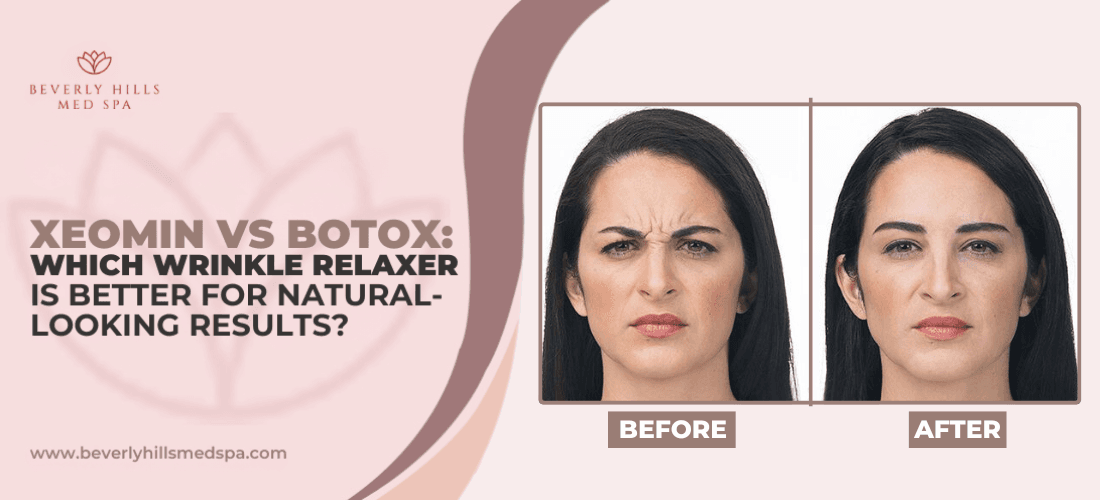
Xeomin vs Botox: Which Is Better for Natural-Looking Results?
Not sure if Xeomin or Botox looks more natural? Learn how they compare, what affects your results, and why injector expertise can make the biggest dif...
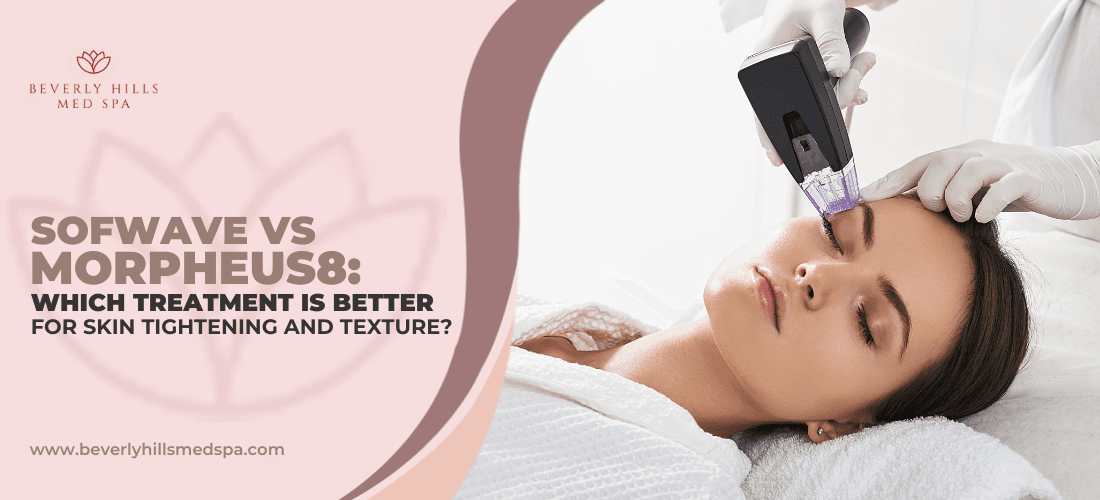
Sofwave vs Morpheus8: Which Treatment Is Better for Skin Tightening and Texture?
Wondering Sofwave or Morpheus8 is better? Learn key differences, treatment benefits, expected results, and how to choose the right option for your ski...
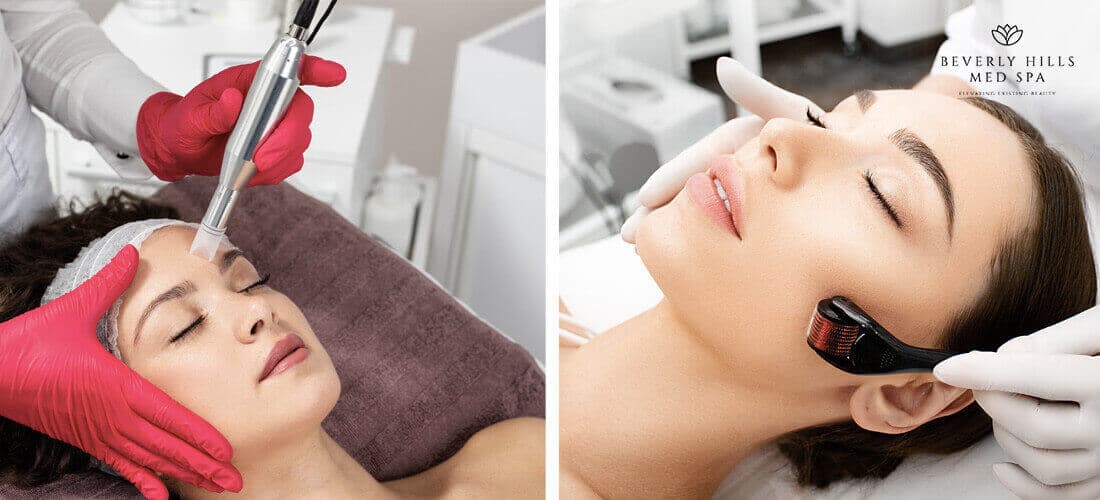
Microneedling vs Dermarolling: Which is Good For You?
Are you also waiting to know which one is best for your skin between Microneedling vs dermarolling? Read article to find out the best one for your ski...
Daxxify vs Botox: Which Anti-Wrinkle Injection Is Right for You?
Not sure whether Daxxify or Botox is right for you? Discover how these anti-wrinkle injections differ in longevity, results, and treatment approach to...