

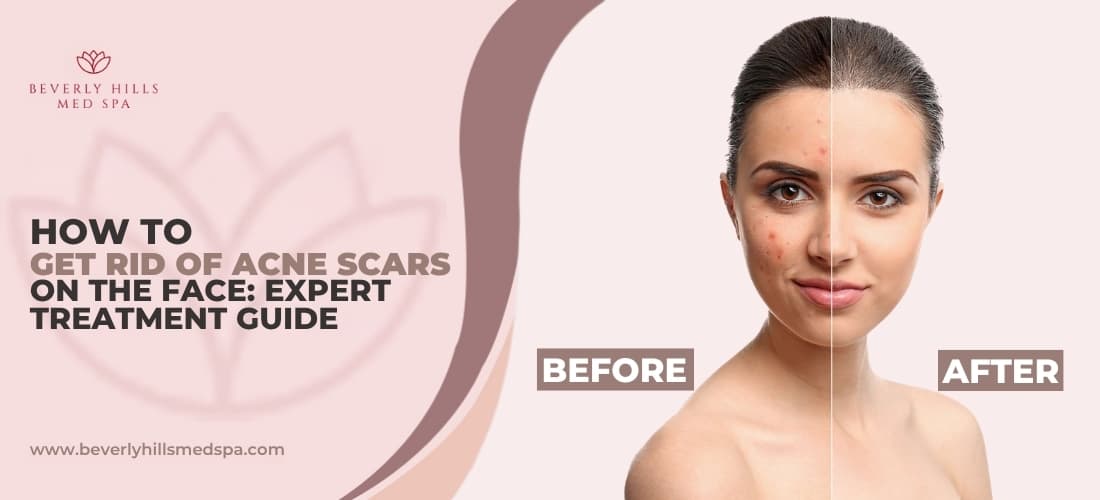
Acne may go away, but the scars it leaves behind can feel even harder to deal with. Uneven texture, dark marks, tiny pits, or rough skin can make your face look less clear even when breakouts are no longer active.
For many people, acne scars are not just a skin concern; they affect how confident you feel in photos, close conversations, and everyday moments. The challenge is that not all acne marks are the same. Some dark spots may fade with time, but deeper scars often form below the surface, where regular creams and home care cannot fully refine the texture.
That is why the right treatment starts with understanding your scar type, natural skin tone, scar depth, and healing pattern. In this guide, you’ll learn why acne scars happen, which types are harder to treat, and which professional treatments can help support smoother, clearer-looking skin.
What Causes Acne Scars?
Scarring usually develops when a breakout affects more than just the surface of the skin. During severe or long-lasting acne, the healing process may not repair the area evenly, leaving behind tiny pits, rough texture, pigmentation, or raised areas.
Common causes of acne scarring include:
- Inflamed acne: Deep pimples, cysts, and nodules can affect the deeper tissue and make scarring more likely.
- Picking or squeezing pimples: This can irritate the area, slow healing, and increase the risk of lasting marks.
- Delayed acne treatment: When acne is not treated early, repeated inflammation can make scars more noticeable.
- Skin’s natural healing response: Some people produce too little or too much collagen after acne, which can change the surface texture.
- Genetics: If acne scarring runs in your family, your face may be more likely to scar after breakouts.
Understanding the cause is important because each scar type needs a different treatment approach.
Common Types of Acne Scars and What They Look Like
Post-acne scarring can look different from person to person. Some look like tiny holes, some appear as shallow dents, and others make the face look uneven or raised. Knowing the type of scar matters because the same treatment may not work for every kind of acne scar.
The main acne scar types include:
- Ice pick scars: These look like tiny, deep holes in the skin, almost like small pinpoints.
- Boxcar scars: These are wider dents with more defined edges. They can make some areas look slightly sunken.
- Rolling scars: These create a wavy or uneven look on the face instead of sharp dents.
- Raised scars: These scars sit above the surface and may feel thick, firm, or bumpy.
- Dark marks after acne: These are flat spots left after pimples heal. They are not always true scars, but they can still make the face look uneven.
Once you understand the type of scarring you have, it becomes easier to choose a treatment that targets the real problem.
How the Right Treatments Improve Acne Scars
Getting rid of visible scarring on the face starts with choosing the right treatment for the right type of scar. Since every scar looks different beneath the surface, treatments should be selected based on scar type, skin tone, and texture concerns for safer and more effective results.
Common treatment options include:
- HydraFacial: HydraFacial can help refresh the overall appearance, clear clogged pores, and improve dullness or mild post-acne marks. It may be helpful for mild post-acne spots and overall facial clarity. It is not usually the main treatment for deep visible scarring, but it can help the face look healthier and more refreshed.
- Morpheus8: Morpheus8 uses microneedling with radiofrequency energy to target deeper tissue layers. It may help improve the appearance of ice pick scars, rolling scars, and uneven surface texture over time while also helping the face look firmer.
- Microneedling: Microneedling creates tiny controlled channels in the treated area to encourage natural collagen production. It is often used for boxcar scars, mild-to-moderate acne marks, rough texture, and uneven facial texture.
- SmartPRP Facial: SmartPRP Facial uses your own platelet-rich plasma to help support natural repair, a healthy glow, and a smoother-looking texture. It may be combined with microneedling to help enhance overall texture concerns, mild post-breakout scars, and post-acne recovery.
- Cortisone Shot: A cortisone shot is usually used for painful cystic acne and certain raised scars. It helps calm inflammation and may reduce the chance of a deep breakout leaving a lasting mark.
Because every scar responds differently, a professional evaluation can help connect the right treatment to the right concern instead of using a one-size-fits-all approach.
How Long Does Acne Scar Treatment Take?
Acne scar treatment time can vary from person to person because every scar and skin type responds differently. Mild post-acne marks may improve sooner, while deeper or older scars usually need more time and multiple sessions. Treatments such as Microneedling, Morpheus8, and SmartPRP Facial often work gradually because they support collagen and repair over time.
Most treatment plans are spaced out to give the treated area enough time to heal between sessions. This means the complete process may take several weeks or months, depending on the treatment used and the level of improvement needed. Your provider can evaluate your facial texture and explain how many sessions may be recommended for your acne marks.
How to Prevent Future Acne Scars
- Treat acne early before breakouts become deep, painful, or inflamed.
- Avoid picking, squeezing, or scratching pimples because this can increase the risk of scarring.
- Use gentle products and avoid harsh scrubs that can cause irritation.
- Protect your face from the sun, as sun exposure can make dark marks look more noticeable.
- See a professional if acne keeps coming back, so it can be managed before new scars form.
Why Patients Choose Beverly Hills Med Spa for Acne Scar Treatments
Choosing the right provider matters because acne scars need careful evaluation, advanced treatment options, and a plan that fits your needs. At Beverly Hills Med Spa, the focus is on evaluating your concerns first, then guiding you toward treatment options that fit your acne history, scar pattern, comfort level, and treatment expectations.
- Detailed consultation before treatment: Patients receive a full review before starting, so the specialist can understand their acne history, scar concerns, and skin goals.
- Customized treatment journey: Instead of treating every patient the same way, our provider helps create a plan that fits your current concerns and the level of improvement you want.
- Advanced non-surgical treatment options: We offer acne scar treatments that can enhance the texture without surgery, helping patients work toward smoother-looking skin with less downtime.
- Focus on long-term skin health: The goal is not only to treat visible marks, but also to support healthier skincare habits, proper aftercare, and better long-term maintenance.
- Honest and realistic recommendations: Our provider focuses on what can safely improve your acne concerns instead of making unrealistic promises about instant results.
- Supportive treatment experience: From consultation to aftercare, patients are guided clearly so they feel more comfortable, informed, and confident about their treatment.
If you are unsure which treatment is right for your scarring, Beverly Hills Med Spa can help you understand your options and choose a treatment that fits your comfort level, and goals.
Final Thoughts
Acne scars can feel discouraging, especially when home care is not giving you the smoother skin you want. But you do not have to keep guessing or trying treatments that may not suit your needs.
At Beverly Hills Med Spa, our provider can evaluate your scarring, explain what may actually help, and guide you toward treatment options that support a smoother, clearer, and more refreshed-looking appearance over time. The right guidance can help you move forward with more confidence and realistic expectations.
If acne scars are holding you back, now is the right time to take action. Call 310.359.8832 or visit our clinic to schedule your acne scar consultation and start your journey toward a healthier-looking facial appearance.
Frequently Asked Questions
Some mild scars may fade over time, but deeper scars usually do not go away completely on their own. Advanced treatments can help soften the look of visible scars, refine facial texture, and make the face look smoother as healing continues.
You need a scar evaluation to understand whether your concern is dark marks, rough texture, tiny pits, raised scars, or active acne. At Beverly Hills Med Spa, our specialist can assess your facial texture and recommend a treatment plan based on your scar type, skin tone, and goals.
Yes, Morpheus8 can be helpful for post-acne texture and visible scarring because it works below the surface using microneedling and radiofrequency energy. It may improve uneven texture, firmness, and the appearance of more visible scarring over time.
HydraFacial does not usually remove post-acne marks, but it can help with clogged pores, dullness, mild facial scarring, and overall facial clarity. Our provider may recommend it as part of a broader scarring treatment plan when it fits your treatment needs.
Old scars do not usually come back once improved, but new scars can form if active acne is not controlled. Preventing future breakouts and following proper skincare can help protect your results.
Microneedling Facial

Beverly Hills Med Spa, a premier medical spa in Los Angeles, specializes in cutting-edge aesthetic and wellness treatments. Our expert team is dedicated to enhancing your beauty and health with personalized care. Follow our blog for the latest in aesthetic medicine insights.
Similar Articles
Sofwave vs Morpheus8: Which Treatment Is Better for Skin Tightening and Texture?
Wondering Sofwave or Morpheus8 is better? Learn key differences, treatment benefits, expected results, and how to choose the right option for your ski...
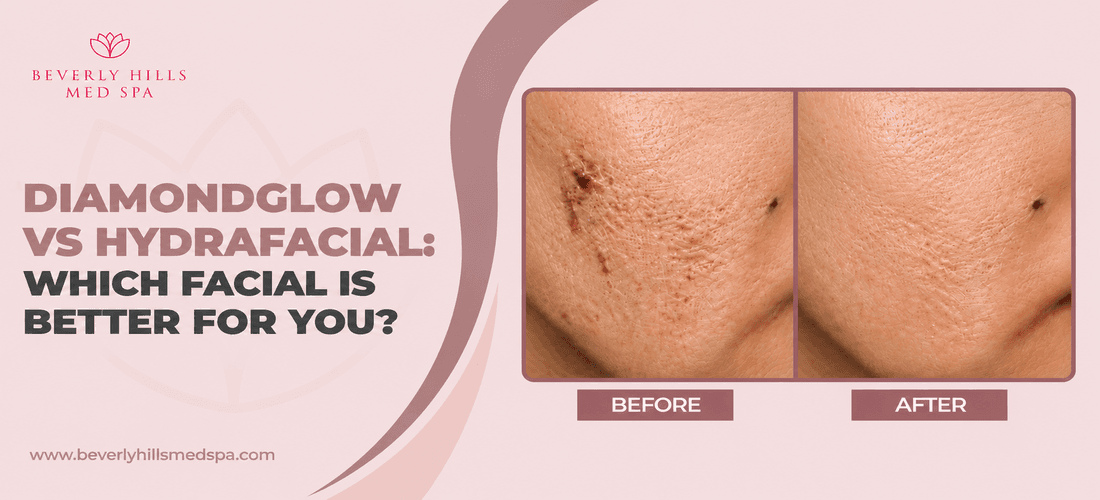
DiamondGlow vs HydraFacial: Which Facial Is Better for You?
Confused between DiamondGlow and HydraFacial? Discover how these facials differ and find the right option for smoother, refreshed, and healthy-looking...
How to Get Rid of Double Chin and Regain Your Confidence
Double chin is a condition that affects thousands of Americans. This blog post provides some tips on how to get rid of double chin.
What Causes Jowls and Can You Reduce Them Without Surgery?
Say goodbye to a softer jawline. Learn what causes jowls and explore non-surgical treatments that may help improve lower face definition and firmness.